Reuse Hotel Photographs Without Misrepresenting the Stay
Build an image matrix for hotel photographs covering depicted rooms, approved use, crops, captions, alt text, and review triggers.

On this page
A hotel photograph communicates a factual expectation before a reader reaches the caption. It suggests a room, a view, a facility, or a part of the experience. Reusing the image responsibly means checking both the permission to use it and whether it still represents the message accurately.
Start with an approved asset library. Record what each photograph depicts, where it can be used, and which changes would require another review. That record makes it easier to prepare useful website and social content without repeatedly guessing the image's context.
This guide is an editorial asset-management method. It does not establish copyright permission or certify the conditions at a particular hotel.
Identify the room category, facility, or scene depicted. Ask the hotel team whether the image is current and whether any important details have changed. A photograph can remain visually attractive while no longer representing the room being sold.
For fictional Cedar House, imagine that a room was refurbished after an earlier photo session. The editor should not keep using the old photograph simply because it fits the new layout. This is an illustrative scenario, not a report about a real property.
The hotel content map helps identify where the images support room, offer, and practical-information pages. Keep the image record connected to those destinations so a change can be traced through the content.
Ask the responsible asset owner what use is authorized. A photograph supplied for a particular project or channel does not automatically establish permission for every future campaign. Confirm any relevant credit, expiry, or other condition through the actual agreement and appropriate reviewer.
If the record is unclear, keep the image out of the publication queue until it is resolved. Do not replace missing permission with an assumption that the file's presence in a shared folder makes it available.
People, identifiable private details, and third-party material may require additional review. The editorial task is to flag those questions to the responsible owner, not to make a legal determination from the image alone.
Create a working record with the following fields. The examples describe checks rather than real asset rights or hotel features.
| Field | Purpose | Review question |
|---|---|---|
| File and version | Identify the exact asset | Are we reviewing the file that will be published? |
| Depicted subject | Match the image to the room or facility | Does the current page describe this subject accurately? |
| Rights record | Establish approved use | Which channels and conditions are covered? |
| Current validity | Avoid outdated representation | Has the room or facility changed? |
| Crop guidance | Preserve relevant context | Does the crop imply something different? |
| Caption | Explain the visible context | Does it name the category or limitation correctly? |
| Alt text | Describe meaningful visual information | Does the wording match the actual image? |
| Review trigger | Keep the library maintainable | What event requires checking it again? |
Reject the outdated fictional room photograph until the hotel approves an appropriate use or replacement. That is a useful asset decision, not a failure to find enough visuals.
A wide website image and a smaller social image may need different crops. Keep the important subject legible and inspect the result in the intended context. A crop that removes a distinguishing room feature may make the category harder to identify.
Do not edit a documentary property image in a way that implies a facility, view, or condition the hotel does not provide. If creative work changes the nature of the image, it needs a clear role and appropriate disclosure rather than being passed off as an ordinary photograph.
The offer-page checklist helps catch another mismatch: using an image that suggests an inclusion not actually part of the package.
A caption can identify the room category or explain a useful contextual distinction. Alt text should describe the meaningful visual information in the image's actual use. Avoid treating either field as a place to repeat a long list of search terms.
Google's image guidance explains the value of descriptive filenames, alt text, and surrounding context. Apply that guidance while following the actual site's accessible image components.
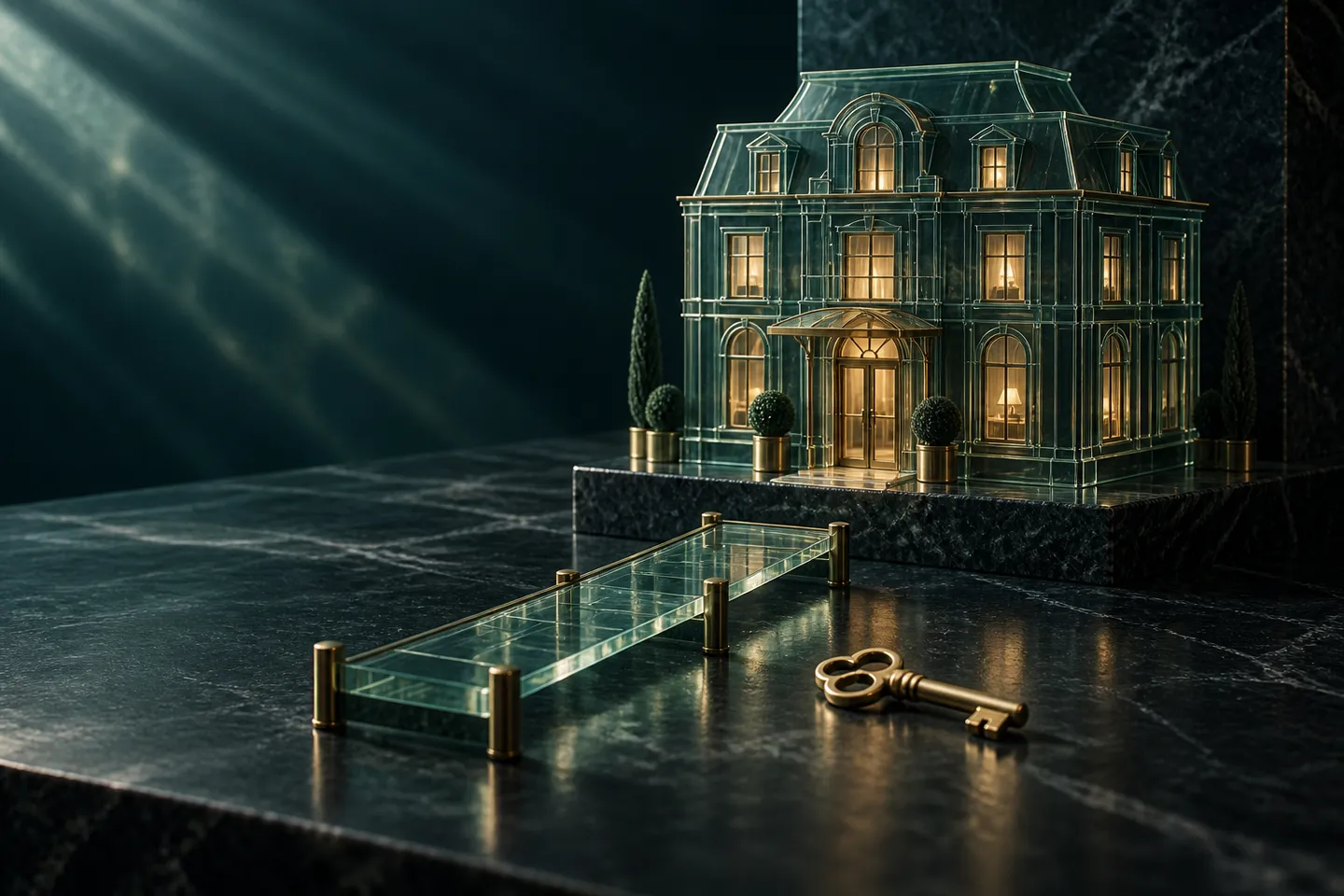
For a conceptual AI illustration, the caption should make its nature clear. It may be appropriate for an article about marketing workflow, but it is not evidence of a real hotel's room, amenity, or customer experience.
Check the website page and any channel-specific preview after the asset is placed. Confirm the crop, caption, description, and surrounding copy. A correct library record does not prove that the implementation used the correct version.
SimsClaw's integration documentation should be checked for any proposed publishing action. Do not infer that a connection manages usage rights, verifies property facts, or supports every social image format.
The hotel marketing plan can assign the review responsibilities, and the Independent Hotels overview explains the workflow scope. A dependable image library helps the team reuse good material efficiently while keeping the promise of the photograph aligned with the stay it represents.
Put these ideas to work
Explore how the AI team works